
Arrows
Shaft material, spine, weight and what actually flies straight out of your bow.
Find it fast
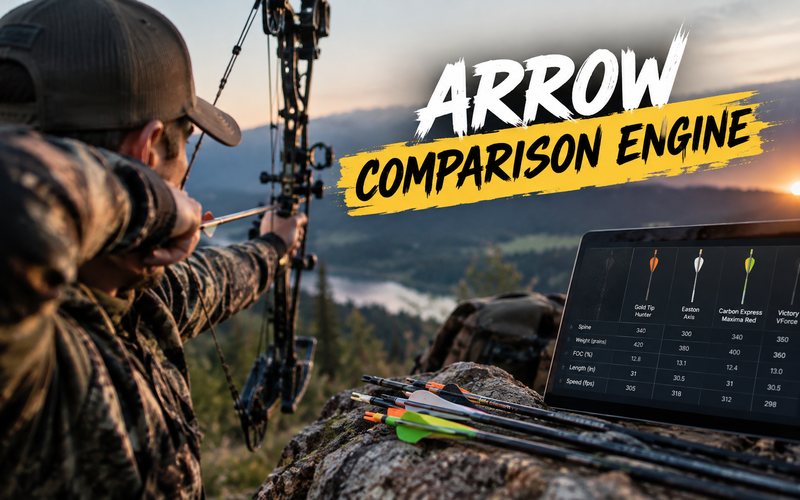
Arrow Comparison Engine
Hunting and target shafts side by side at one spine: maker-published GPI, OD, ID and straightness, then same-build weight and FOC.
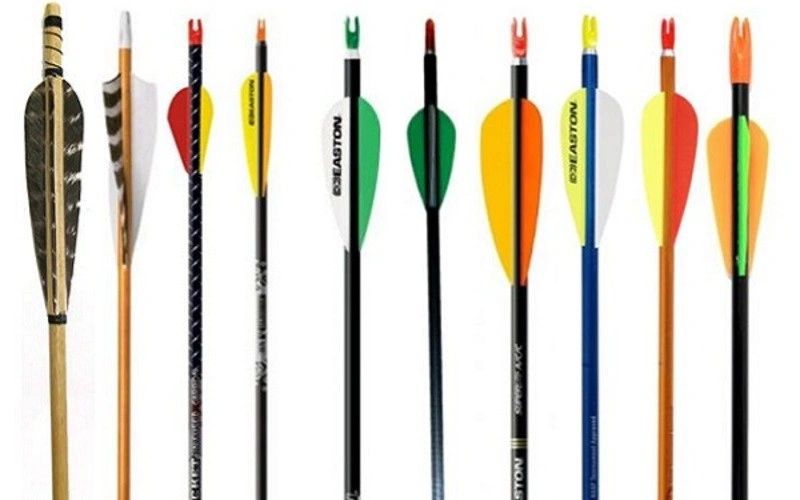
Types of Arrows
Carbon, aluminum, alloy-carbon, wood and fiberglass: published specs, five materials off one 40 lb recurve, and what a fat indoor arrow scores.
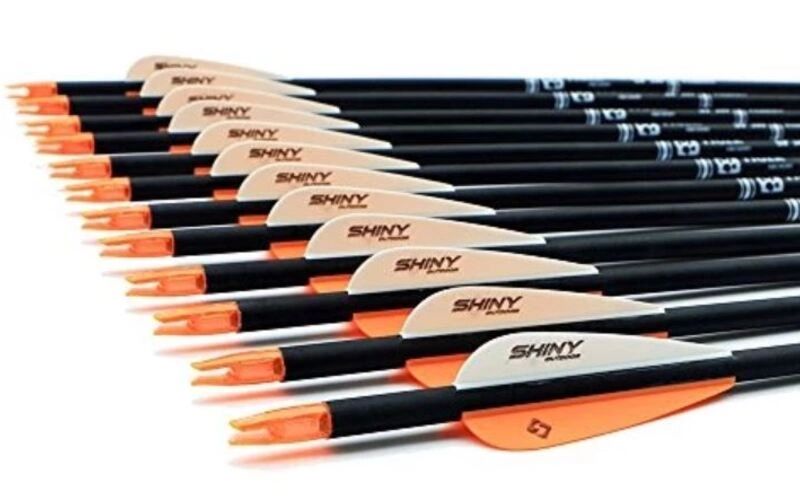
Best Arrows
18 hunting shafts built on one 70 lb bow, 41 hunters’ real arrow weights and a shortlist for your setup.
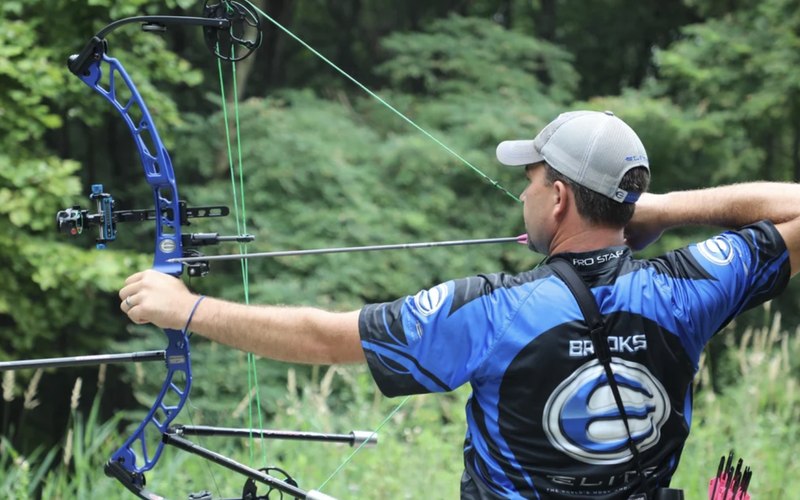
Arrow Length vs Draw Length
AMO measurement, safe clearance and how trimming shaft length changes spine, KE and FOC.
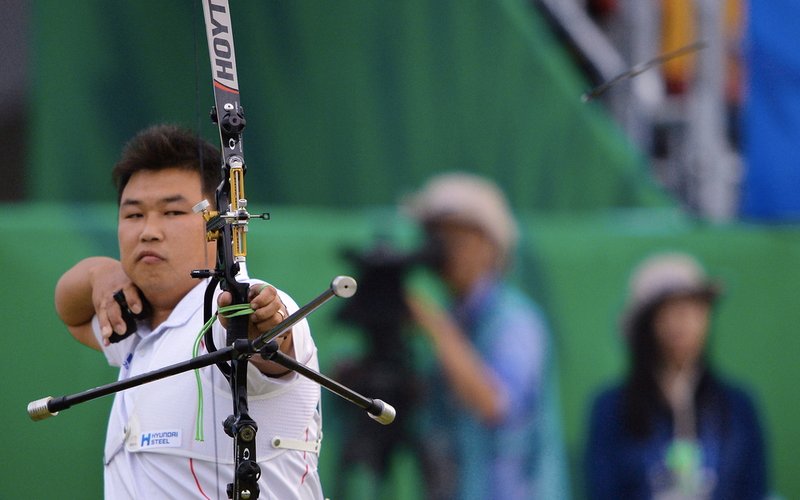
Arrow Weight vs Speed
The 5-grain speed-loss rule, verified KE/momentum math and a benchmark table from 350 to 650 grains.
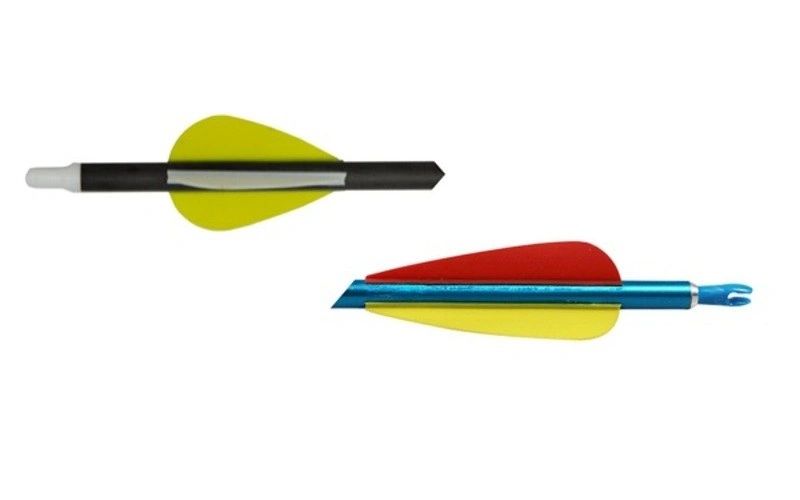
Carbon vs Aluminum Arrows
Every XX75 size matched to carbon at the same spine: weight, straightness and how far each bends before damage.
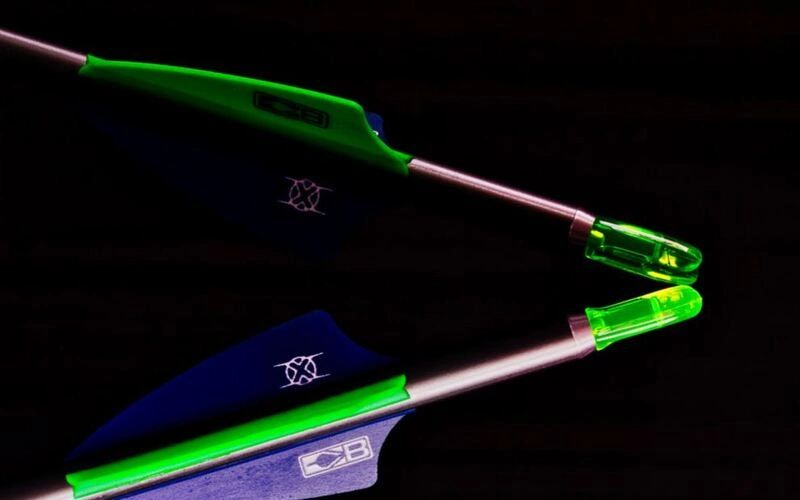
Easton Axis vs FMJ
Same spine, 34 to 50 grains apart: Easton specs, modeled builds and 315 owner posts on Axis, FMJ and FMJ Max.
Easton XX75 Aluminum Spine Chart
Every published XX75 size with spine, GPI and diameter, the draw weight each fits, and tools to identify and match shafts.
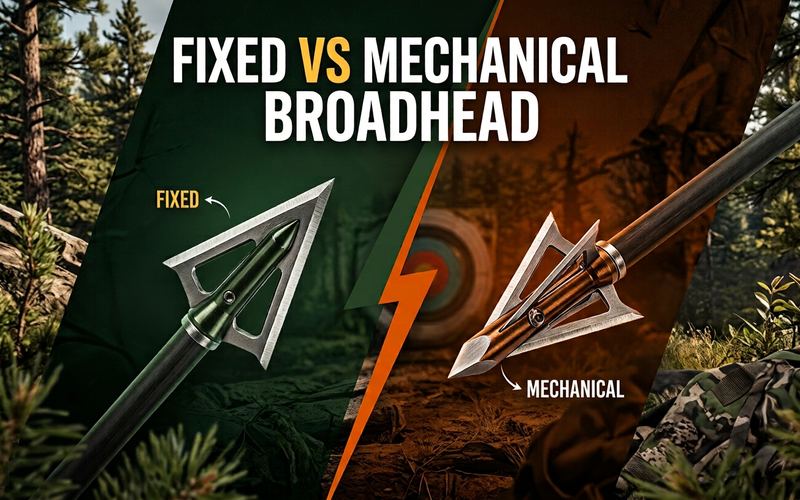
Mechanical vs. Fixed Broadheads
Kinetic energy, momentum and failure-mode data behind the pick.
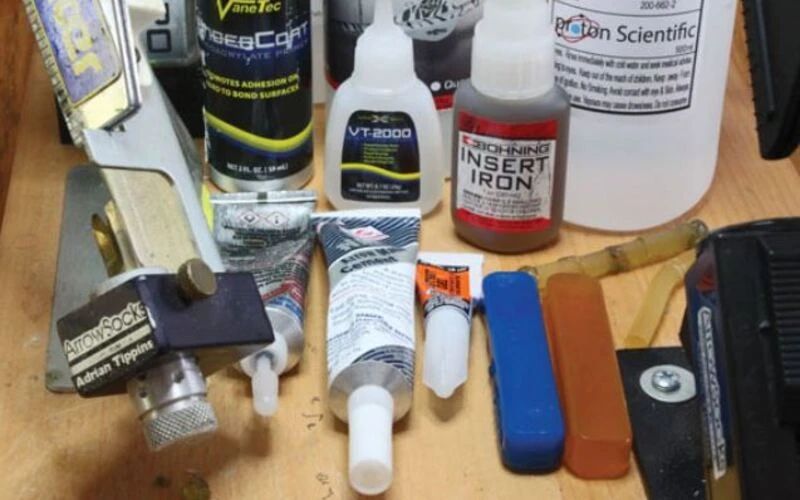
Best Glue for Arrow Inserts
Epoxy, hot-melt or superglue — matched to shaft and temperature.
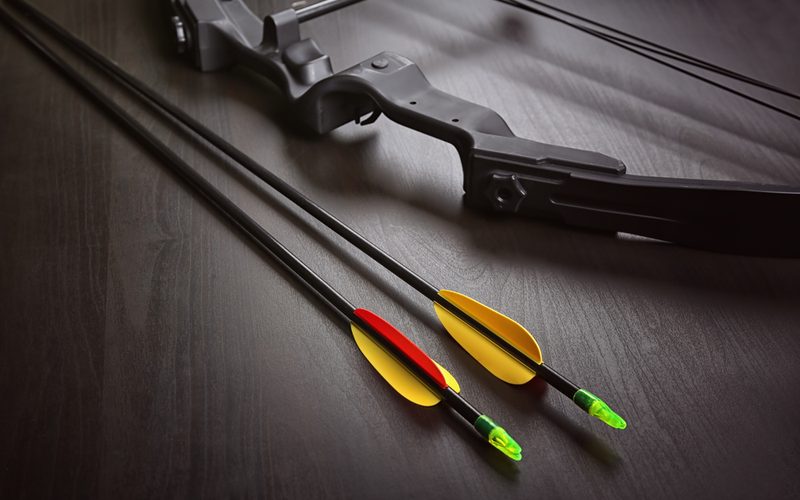
How to Cut Carbon Arrows
The Easton-standard tool, cut method and insert glue that keep the shaft intact.
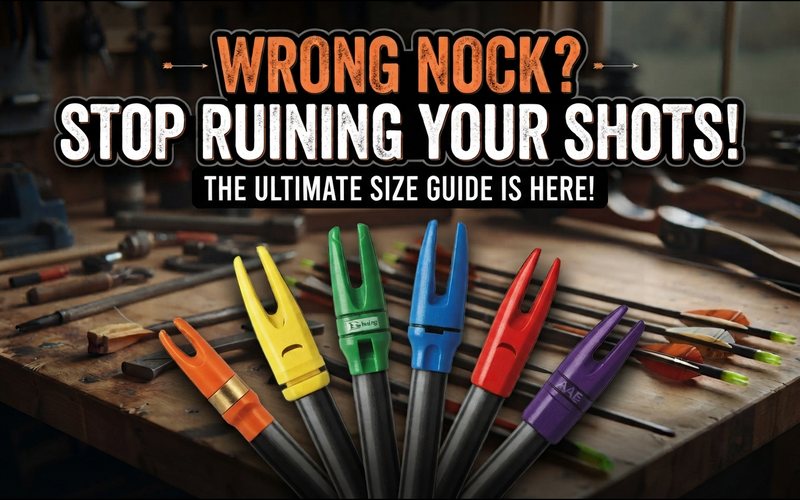
Arrow Nock Size Chart
Groove and throat specs for 44 nocks, a serving-fit calculator and the FOC cost of lighted nocks.

Arrow Shaft Selector
Dynamic spine physics, a 2026 brand tolerance matrix and the paper-tune fixes that catch a bad match.
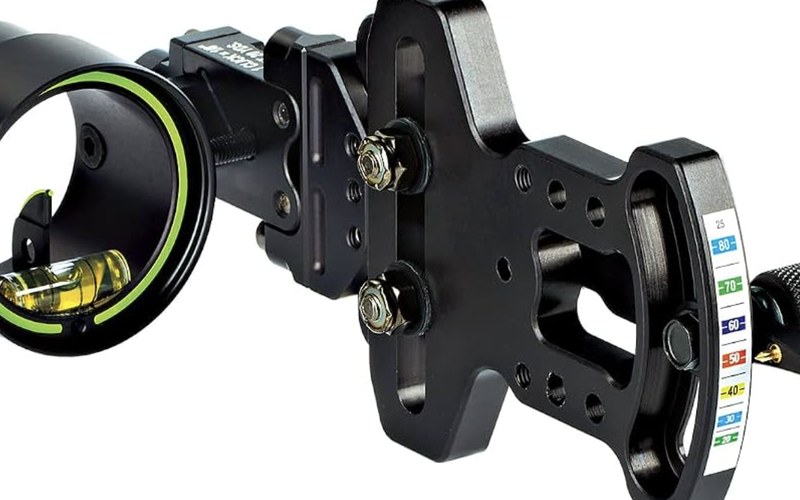
HHA Optimizer Lite Sight Tapes
The 20-to-60 yard method explained, a free scale-differential calculator, and where to buy the real tape.
How to actually choose a shaft
Spine is the number that decides whether an arrow flies straight, and it's the one people skip. A shaft that's too stiff or too weak for your draw weight, arrow length and point weight won't recover cleanly off the rest — you'll see it in a wide group at the target long before you see it in your form. Start from the manufacturer's spine chart for your setup, then confirm it by paper tuning the finished arrows.
Weight is a trade-off, not a single right answer. Heavier shafts carry more kinetic energy and momentum downrange — the numbers that matter for penetration on game — but they cost you speed and a flatter trajectory. Total arrow weight, front-of-center balance and the point you pair it with all move together, so the five guides below work through shaft material, spine, FOC and glue one piece at a time instead of treating "best arrow" as one product.