
Fictional Bow Names: Famous Bows in Fantasy, Literature & Pop Culture
A fictional bow rarely stays a ranged weapon for long. In Middle-earth, tabletop D&D, comics and epic fantasy fiction, the bow a character carries usually doubles as a résumé — who trained them, whose hands built it, and what their world thinks a real archer sounds like. Eleven of the most-cited fictional bows get that full breakdown below: owner, material, and the one detail — a burial, a curse clause, a voice-activation chip — that turned a prop into a plot point.

Short answer: fictional bow names split into four storytelling jobs, not one.
- Middle-earth & high fantasy: the bow announces lineage and craft — Elven hair-strung yew, a dwarf-forged heirloom arrow.
- Tabletop D&D: the name encodes a mechanic — an enchantment, a sworn-enemy clause, a quiver that never empties.
- Comics & film: usually no name at all. Hawkeye, Green Arrow and Katniss are all remembered by archer, not by weapon.
- Epic fantasy literature: the bow names a region or tradition instead of one owner — the Two Rivers Longbow belongs to a whole village, not one hero.
The full owner-by-owner, material-by-material comparison sits in the 1-minute matrix further down this page.
Core Insight: the fictional bows readers actually remember by name are almost never the ones with the most powerful stats — they're the ones where the object's history says something about the character carrying it. Belthronding got buried with its owner. Taulmaril outlived three of theirs. Hawkeye's bow never got a name because in that story, he was always the point.
Ideal For: writers and Dungeon Masters naming a character's bow with real weight behind it, and readers curious how Legolas's, Katniss's and Drizzt's bows actually compare once the film marketing is stripped away.
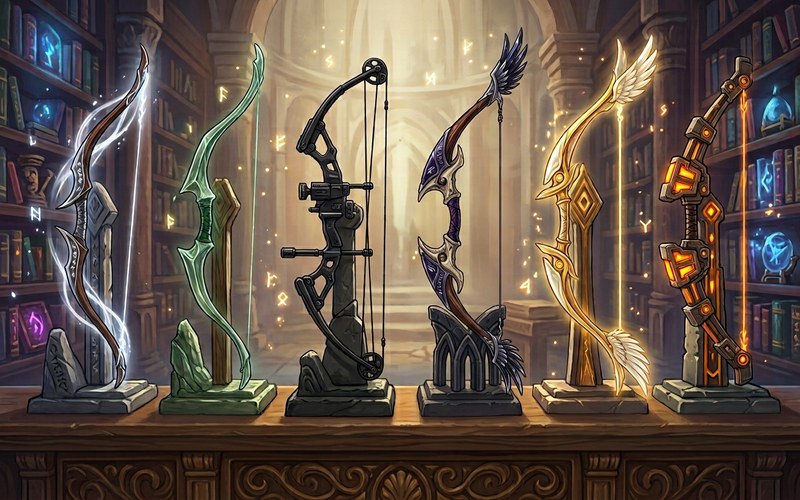
ArcheryEra's Bow Name Generator opens set to its Pop Culture category by default — the closest word bank to the comics and film bows on this page. Switch the Lore Category dropdown to Fantasy & D&D for Tolkien- and Forgotten Realms-flavored names instead, pick a Temperament and an Elemental Spirit, and press Generate.
Open the Generator →Middle-earth: The Galadhrim Bow, Belthronding & the Black Arrow
Tolkien treats a bow's material as a character reference. Three of Middle-earth's most-cited bows each encode a different kind of belonging — Elven gift, personal legend, dwarven inheritance — and none of them are interchangeable.
The Galadhrim Bow is Galadriel's parting gift to Legolas as the Fellowship leaves Lothlórien. Tolkien Gateway describes it as "longer and stouter than the bows of Mirkwood" and "strung with a string of elf-hair," delivered with its own quiver — a straightforward upgrade in craft over his native Woodland Realm weapon. Legolas uses it to bring down a Nazgûl's fell beast near Sarn Gebir, one of the more consequential single shots in the trilogy. The elf-hair string is the detail that matters here: it's not decorative, it's Lothlórien announcing that this bow was built by hands more skilled than Mirkwood's.

Belthronding belonged to Beleg Cúthalion — "Strongbow" — the mightiest archer of the First Age, and the bow is the reason he earned that epithet. Tolkien Gateway records it as carved from black yew, carried through his defense of Doriath's borders and into Dor-Cúarthol, the "Land of Bow and Helm," alongside Túrin Turambar. Its ending is the detail that makes it a legend rather than just a weapon: Túrin, deceived in darkness, killed Beleg by mistake while freeing him from Orc captivity, then buried Belthronding beside its owner rather than claim it for himself.
The Black Arrow, not the bow, is the named object in Bard the Bowman's story — a detail worth being precise about, since the two get conflated constantly. Per Tolkien Gateway, it was forged in the smithies under the Lonely Mountain during King Thrór's reign and passed down as an heirloom of the Lords of Dale. Bard fires it from an ordinary great yew bow, not a bow made of dragon-scale — the dragon connection is that the arrow is finally the one thing that finds the single bare patch in Smaug's jeweled hide. Dwarf-forged steel, not enchanted wood, is what kills the dragon.
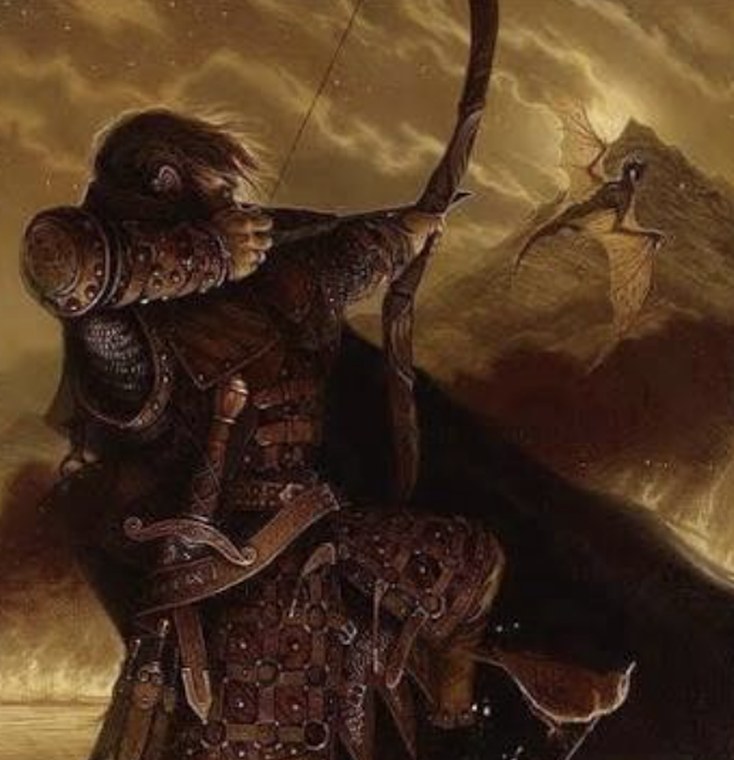
ArcheryEra runs Legolas's actual film shots through frame-by-frame ballistics on Legolas Bow FPS — no configuration clears 400 fps. For an original Tolkien-flavored bow of your own, with a Minimalist-to-Detailed slider and an honest physics check per material, see Fantasy Bow Names.
Dungeons & Dragons & Tabletop RPGs: Taulmaril & the Oathbow
Tabletop fantasy names a bow around its mechanic more than its material, because at the table the mechanic is what a player actually experiences turn after turn.
Taulmaril, the Heartseeker is R.A. Salvatore's best-known fictional bow, currently carried by Drizzt Do'Urden in the Forgotten Realms novels. Per the Forgotten Realms wiki, it's a +3 elven longbow originally gifted by Lady Anariel to Clan Battlehammer, later recovered from Mithril Hall's ruins and passed to Drizzt through Catti-brie. It fires silver arrows trailing luminous streaks, paired with the Quiver of Anariel — a container that never runs dry. That's a bow-class version of the same "it always comes back" promise Wulfgar's returning warhammer Aegis-fang made famous in the same book series, just translated into an inexhaustible quiver instead of a boomerang throw.
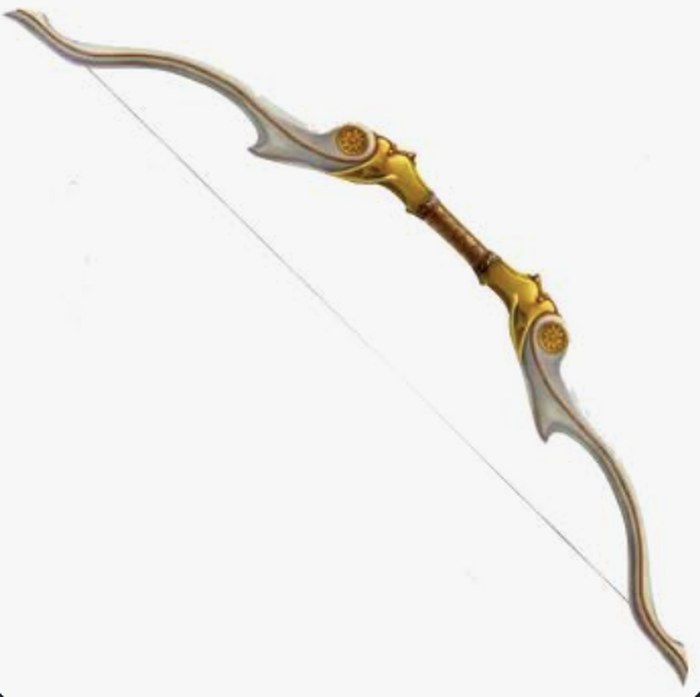
The Oathbow takes the opposite approach: instead of pure firepower, it names a relationship. In Dungeons & Dragons 5th Edition, the first creature an Oathbow wielder hits becomes a sworn enemy — every later shot against that specific target gets a damage bonus and advantage, while every other target takes disadvantage. Try to remove it without the previous owner's permission and it won't come off cleanly. It's a bow that punishes a player for fighting anyone other than the one enemy it's decided matters, which is a genuinely different design philosophy from Taulmaril's raw output.
Pop Culture & Comics: Hawkeye, Green Arrow, Katniss & Susan Pevensie
This is where the naming pattern flips entirely. None of the four bows below carry an official proper name in their own source material — a genuinely different convention from Middle-earth or the Forgotten Realms, and worth reading as a real storytelling choice rather than a gap in the research.
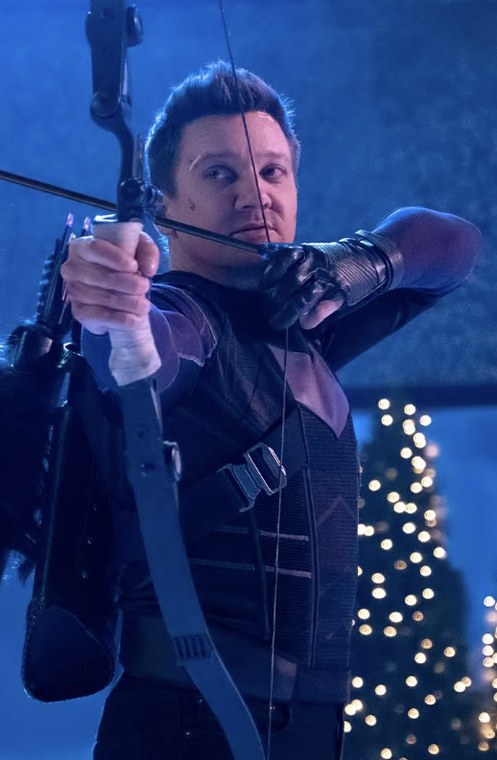
Hawkeye's bow (Clint Barton in the comics and MCU, Kate Bishop in the more recent runs) is a modern tactical recurve rather than an invented sci-fi shape — trained archers worked as movement references on set, a detail covered in more depth on ArcheryEra's legendary-archers roundup. The bow itself stays generic; the trick-arrow payload (explosive, net, EMP, grappling) is where the character's identity actually lives.
Green Arrow's bow follows the same restraint in DC Comics and the Arrowverse: a hand-built recurve or compound, no glow effect, no proper name across most canon eras. Oliver Queen's brand is craftsmanship and trick-arrow variety, not a magic item.
Katniss Everdeen's bow actually changes three times across The Hunger Games, and the progression tells its own story. It starts as a homemade flatbow her father built, hidden in a hollow log outside District 12's fence and used through the 74th Games. The Quarter Quell puts a Capitol-supplied bow in her hands instead. By Mockingjay, engineer Beetee designs her a voice-activated military bow that fires regular, explosive and incendiary arrows distinguished by shaft color — the clearest example on this page of a fictional bow's design tracking a character's arc rather than staying fixed.
Susan Pevensie's bow in The Chronicles of Narnia gets one detail wrong in fan retellings more than any other bow on this page: it's the horn Father Christmas gives her that's ivory, not the bow. C.S. Lewis pairs the bow and quiver — arrows that "will not easily miss" — with a separate ivory horn that summons help wherever she blows it. Two gifts, two different jobs, and only one of them made of ivory.
Epic Fantasy Literature: The Two Rivers Longbow & A Song of Ice and Fire
A word of honesty before this section: not every celebrated sword-and-sorcery saga is built around archery. Michael Moorcock's Elric cycle, for instance, is defined by a sword — the rune-etched Stormbringer — not a bow, and inventing an iconic Elric bow that doesn't exist in the text would be exactly the kind of fabricated lore this page is trying to avoid. Two other epic-fantasy touchstones fill that lineage honestly instead.
The Two Rivers Longbow, in Robert Jordan's The Wheel of Time, belongs to a region rather than a single hero. Built from black yew with a beeswaxed cord string, it's credited with a range "upwards of 500 paces" and enough power to punch through mail and out the other side — strong enough that outside armies like the Shienarans respect it despite finding it too unwieldy to fire from horseback. The narrative hook worth flagging: Rand al'Thor, Mat Cauthon and Perrin Aybara — the series' three central ta'veren, the people the Wheel itself is said to weave around — all grew up in the one village famous for this exact bow tradition, before any of them ever touched the One Power.
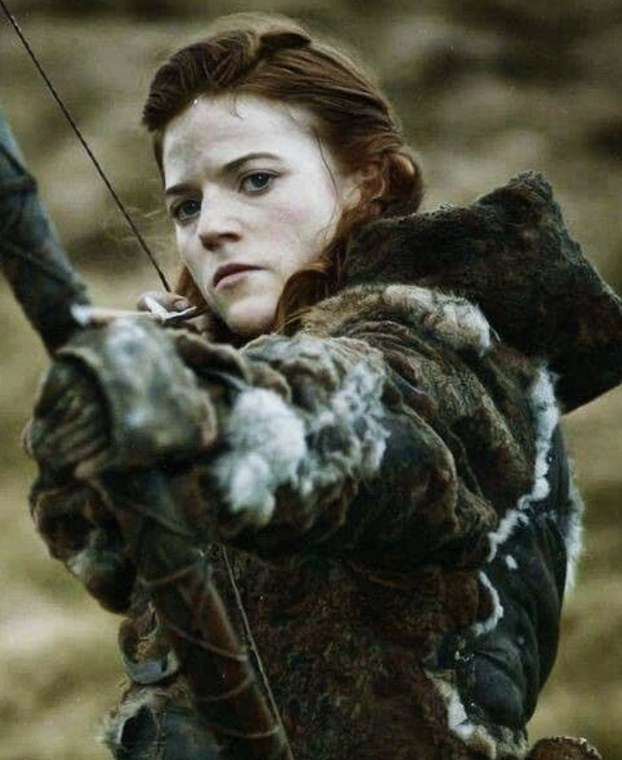
Anguy the Archer and Ygritte, in George R.R. Martin's A Song of Ice and Fire, extend the same "archer over artifact" pattern already seen with Hawkeye and Katniss into grimdark fantasy. Anguy wins the archery competition at the Hand's tourney in A Game of Thrones and later fights with the Brotherhood Without Banners; Ygritte is a free-folk spearwife who out-shoots most of the Night's Watch. Neither carries a bow with a name of its own — skill defines both characters, not gear, which is precisely the naming convention Westeros shares with modern pop culture rather than with Middle-earth or the Forgotten Realms.
📊 1-Minute Decision & Comparison Matrix
| Bow Name | Universe / Work | Iconic Owner | Fantastical Material / Magical Property |
|---|---|---|---|
| Galadhrim Bow | The Lord of the Rings | Legolas | Elven-crafted yew, strung with elf-hair |
| Belthronding | The Silmarillion | Beleg Cúthalion | Black yew; buried with its owner |
| The Black Arrow | The Hobbit | Bard the Bowman | Dwarf-forged heirloom arrow; ordinary yew bow |
| Taulmaril, the Heartseeker | Forgotten Realms (D&D) | Drizzt Do'Urden | +3 elven longbow; self-restocking silver arrows |
| Oathbow | D&D 5th Edition | Any sworn wielder | Sworn-enemy enchantment; attunement curse |
| Hawkeye's Bow | Marvel Comics / MCU | Clint Barton, Kate Bishop | Modern tactical recurve; trick-arrow payloads |
| Green Arrow's Bow | DC Comics / Arrowverse | Oliver Queen | Hand-built recurve/compound; trick arrows |
| Beetee's Mockingjay Bow | The Hunger Games | Katniss Everdeen | Voice-activated; color-coded explosive/incendiary arrows |
| Susan's Bow & Ivory Horn | The Chronicles of Narnia | Susan Pevensie | True-flying enchanted arrows; separate ivory summoning horn |
| Two Rivers Longbow | The Wheel of Time | Two Rivers folk (Rand, Mat, Perrin's home) | Black yew, waxed cord; mail-piercing war bow |
| Anguy & Ygritte's Bows | A Song of Ice and Fire | Anguy the Archer, Ygritte | Ordinary hunting bows; skill-defined, not material-defined |
"Fantastical material" is used loosely for the pop-culture and epic-literature rows — several of these bows are deliberately ordinary, working archery equipment, and that restraint is itself part of the naming pattern this page tracks.
A Bow-Naming Guide for Writers & Dungeon Masters
Every named bow on this page is built from the same three-part formula, whether Tolkien is doing it deliberately or a tabletop word bank is doing it by design: a magical or emotional qualifier, a real or invented wood, and a closing word that signals grandeur, fate or nature. Mix and match across the columns below for an original result.
| Magical / Runic Adjective | Wood or Tree Species | Nature / Grandeur Closing Word |
|---|---|---|
| Whisper-, Ember-, Frostbound | Yew, Ash, Rowan | -thorn, -song, -ward |
| Starlit, Runed, Ancient | Heartwood, Silverbirch, Ironwood | -fang, -crest, -bane |
| Hallowed, Bloodoath, Verdant | Mallorn, Bonewood, Elmheart | -whisper, Strongbow-style epithet |
Example results: Frostbound Rowan-ward, Runed Heartwood-fang, Hallowed Mallorn-whisper. The same generator engine behind ArcheryEra's Bow Name Generator runs this exact logic against a 70-root word bank, cross-checked against attested Tolkien, Forgotten Realms and mythological terms rather than invented syllables.
A scan across worldbuilding forums, D&D subreddits and fan-wiki talk pages turns up a consistent split between two camps of fictional-bow fans.
- Reddit/Discord sentiment: Threads asking "why doesn't my archer's bow have a cool name" get pointed toward Belthronding and Taulmaril as the gold standard — a name earned through the bow's own history, not assigned on day one.
- Top praised feature: Susan Pevensie's bow-and-horn pairing comes up repeatedly as an underrated design — two distinct magical tools instead of one item doing everything, which forum threads tend to call more thoughtful than a single all-purpose artifact.
- Common friction point: New writers and DMs default to naming a bow before the character has actually used it in the story. The recurring advice across these threads matches this page's own pattern: let the bow earn its name through what happens to it, the way Belthronding did.
⚠️ When Not to Trust a Fan-Wiki NameAvoid If: you're about to cite a bow name pulled from a fan wiki or a single forum post without checking it against the actual book, film credits or official sourcebook. Fan communities invent plausible-sounding names for unnamed items constantly, and some of those inventions get repeated so often they start reading as canon. Every named bow on this page traces back to a primary text or an official wiki citing one — where a source material bow genuinely has no proper name, like Hawkeye's or Katniss's, this page says so directly instead of inventing one to fill the gap.
Fiction is one of five lineages ArcheryEra tracks for named bows. Hindu-epic mythology, video games and anime each get their own physics-scored breakdown, and the high-fantasy and D&D side gets its own dedicated generator with homebrew stat blocks, all linked from the Famous Bow Names hub.
Open the Famous Bow Names Hub → Open Fantasy Bow Names →Frequently Asked Questions
What bow does Legolas use, and what is it made from?
Legolas carries the Galadhrim Bow, a parting gift from Galadriel in Lothlórien. Tolkien Gateway describes it as longer and stouter than the bows of Mirkwood and strung with a string of elf-hair, delivered with its own quiver of arrows. He uses it to down a Nazgûl's fell beast near Sarn Gebir. ArcheryEra's Legolas Bow FPS page runs the film versions of his shots through frame-by-frame physics if the speed side interests you more than the lore.
Why do fictional bows get such elaborate, meaningful names?
Because a named bow is doing narrative work a spec sheet can't. Belthronding and Taulmaril are both individually named because they're tied to one archer's identity and history — Beleg was buried with his, Taulmaril passed through three owners before Drizzt. Compare that to Hawkeye's bow, Katniss's bow or Green Arrow's bow, none of which carry an official proper name at all in their source material — in those stories the archer is the legend, not the prop, which is its own naming convention.
Which of these fictional bows could theoretically work as a real bow?
More of them than most readers expect. Bard's great yew bow, the Two Rivers Longbow, Hawkeye's recurve, Green Arrow's bow and Katniss's father-made bow are all built on real, working bow geometry — yew self-bows and tactical recurves that exist in real archery shops today. Belthronding, the Galadhrim Bow's elf-hair string, Taulmaril's silver arrows and Susan Pevensie's true-flying arrows all need a real magic system doing structural or ballistic work a real limb or string can't do on its own.
Our Final Take: the fictional bows that stay memorable share one trait, regardless of genre — a real constraint or a real history sits behind the name, not just a pleasing sound. Belthronding's burial, Taulmaril's three owners, and the flat truth that Hawkeye's bow never needed a name at all are all versions of the same lesson.
👉 Recommendation: Naming a lineage-driven fantasy character's bow? Start from the Middle-earth and D&D sections above and try the generator's Fantasy & D&D category. Writing a grounded, skill-defined archer instead? Follow the Hawkeye/Katniss/Anguy pattern and consider leaving the bow unnamed on purpose — it's a real, well-attested storytelling choice, not a shortcut.
Hey, what's up? Burak here. Archery addict, board game geek, Daft Punk fan.
Your turn
Join the Conversation
Think a different fictional bow deserves a spot on this list? Tell us which one and what makes its story worth naming.